You have actually heard the words before: Copayment. Deductible. Premium. A thousand others. You sort of get what they suggest and you sort of don't. However you do know that if you get another medical billdespite having insuranceyou're going to shriek. Trying to comprehend medical insurance can be like diving into quicksand: No matter what you do, you always seem like you're sinking.
Health insurance coverage is in fact quite standard if you have the right dictionary. To understand medical insurance, you initially need to understand one crucial element of the medical insurance service: Medical insurance companies are just successful if they have cash resting on ice. Their company design depends upon having a complete reserve of cash.
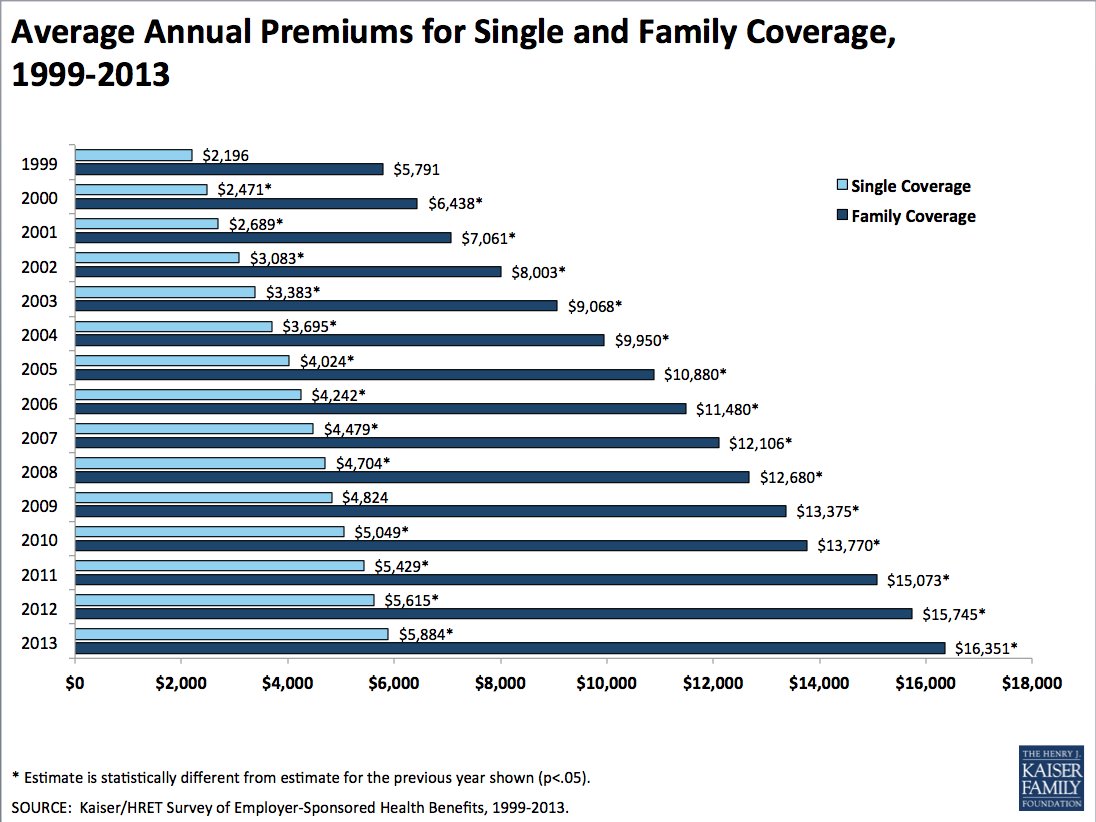
If you can do that, you've got this. All set Here are some nuts and bolts of health insurance coverage: That's the month-to-month charge you pay to keep your insurance coverage going. Type of like the regular monthly costs you pay to keep your internet service going. And you need to pay it whether you log on or not, otherwise they cut it off.
The health insurance coverage business sets the rate depending on factors like your age, the size of your family, and where you live. That's for how long your health insurance company will cover your medical costs, if you keep up with your premiums. Normally, it's a year. This is among those "mouthful" words with a simple meaning.
And yes, this is in addition to your monthly premium. Let's say it's January 1 and you have actually got the flu. Your policy period is one year, ending December 31, and your deductible is $500. You haven't utilized any health insurance yet, but your flu medication costs $30. Guess what? You have to pay that $30.
After that, the medical insurance business begins spending for some or all of it. A high monthly premium generally implies a lower deductible. And on the other hand, a low regular monthly premium typically suggests a higher deductible. Yep, this is another cost that comes out of your wallet. This is a flat cost you pay as quickly as you stroll into the doctor's office for medical services.
More About How Much Does It More help Cost To Go To The Dentist Without Insurance
Or you may pay $300 to go to the emergency https://postheaven.net/ellachhu6y/it-is-recommended-that-new-hampshire-drivers-purchase-insurance-to-prevent department. When you make a copayment, will it be subtracted from your deductible? Typically yes, but it depends upon your policy. Ask your health insurance company for more details. This word is both good news and problem. If your health insurance has coinsurance, that means that even after you pay your deductible, you'll still be getting medical expenses.
You have actually gotten enough medical services to pay the complete $500 deductible. So, despite the fact that you don't need to fret about a deductible any longer, you now have to pay coinsurance. Coinsurance is a way your insurance provider splits the cost of your care with you. For instance, they might pay 80% of the expense while you pay 20%.
You see an orthopaedist (a bone expert). He charges you $200. If you have 80-20 coinsurance, your insurance business will say: That suggests the insurance company pays $160, and you pay the Visit this website rest, $40. Here's the bright side: Coinsurance often even "begins" prior to you satisfy your deductible. Your insurance business might make that occur for certain procedures or tests.
Likewise, you won't need to pay coinsurance forever. Eventually, your insurer will begin paying 100% of your expenses. This is when you've reached your: That's the overall quantity you'll have to pay of pocket throughout your policy period. It may be $5,000 or it might be $15,000.
Now, $15,000 may seem high - how to apply for health insurance. However when you remember that something like cancer treatment could cost $100,000 a year or more, having health insurance coverage still safeguards you in the long run. Talk to the medical insurance provider at your health center about payment strategies and forgiveness for medical expenses.
A service provider is somebody who offers healthcare. It can be: A medical professional A dental professional A chiropractic practitioner A midwife An eye professional A psychologist A physical therapist A nurse A nurse professional Why do you require to know this? Two factors. The very first factor is that some providers are less expensive than others. what is comprehensive insurance vs collision.
The 10-Second Trick For What Does Full Coverage Car Insurance Consist Of
You may go to a walk-in clinic. There, you may see a nurse specialist (NP) a nurse who can do particular things a doctor can, like recommend drugs. Or you may see a doctor assistant (PA) somebody who does numerous things a medical professional does, prescribes drugs, and works under a medical professional's supervision.
If you require care like an X-ray, and your coinsurance starts, you'll probably pay less than you would at a healthcare facility. Even if you're still paying complete price because you haven't satisfy your deductible yet, an NP or PA will practically certainly be method cheaper than a doctor. The 2nd factor is that your insurer may not specify certain service providers as "companies - which of the following typically have the highest auto insurance premiums?." For example, you may see a hypnotherapist who makes a world of difference in your life.
However if the insurance provider does not consider her a health care service provider, they will not spend for your sessions with her. You'll keep paying complete cost out-of-pocket, forever. Another angle: Your insurer may consent to pay for certain treatments or surgeries only if they're done by providers with specific qualifications or certifications.
What's the bottom line? Ask the insurance provider prior to you go to your visit if they'll spend for services from the provider you desire to see. Here's the background: Insurance provider attempt to save money by making deals with specific companies. Those companies lower their prices for clients who are covered by that insurance coverage company.
If you see a doctor who's "in-network," you'll pay less. If you see a doctor who's "out-of-network," you'll pay more. How do you know if a medical professional remains in- or out-of-network? Call your insurer, or search their site. They'll probably have a tool you can use to search for various doctors.
But they have lower regular monthly premiums. One warningif you go outside the HMO network for your care, the insurer generally won't spend for it, other than in an emergency. These networks have more suppliers to pick from. But they have higher month-to-month premiums. You can also use suppliers outside of the network, however at a greater expense.
Examine This Report on What Does No Fault Insurance Mean
With service providers in tier 1, you'll pay the least quantity of cash. If you go to a tier 2 company, you'll pay more, and in tier 3, you'll pay one of the most. A tiered plan might have a lower premium than a PPO strategy. These strategies can have very high deductibles (numerous thousand dollars or more), but they keep your premiums lower.
Advantages are the things your insurance plan covers. They can be: A blood test An X-ray Your yearly physical Prescription drugs A hip replacement An emergency situation space check out When the insurer says "you'll get a higher advantage level if you go to this medical professional, laboratory, or health center" listen up. They're probably attempting to refer you to an in-network company.